Short answer: no, not for safety. Salem's tap water meets all federal and state standards without a filter. A filter here is about chlorine taste or specific peace of mind during algae season, not a health necessity.
By the Salem Oregon Plumbing Guys team. Reviewed against the Oregon Plumbing Specialty Code (OPSC), based on the Uniform Plumbing Code (UPC), and the permit requirements of the Oregon Building Codes Division.
This is one of the more honest questions a plumbing site can answer, because the honest answer doesn't sell equipment: Salem's municipal water, treated at the Geren Island facility on the North Santiam River, consistently meets Oregon Health Authority and EPA drinking water standards without any home filtration. If the only reason to consider a filter is a vague sense that tap water needs treating, that assumption doesn't hold up here the way it might in a city with genuinely different water quality issues.
What a filter actually does well in Salem is address chlorine taste and odor, which is a real, common preference issue even in water that's entirely safe. The city adds chlorine as its primary disinfectant, and some people are simply more sensitive to that taste than others. A standard activated carbon filter, whether a pitcher, an under-sink unit, or a whole-house system, handles this effectively and is a proportionate, reasonable purchase for anyone bothered by the taste.
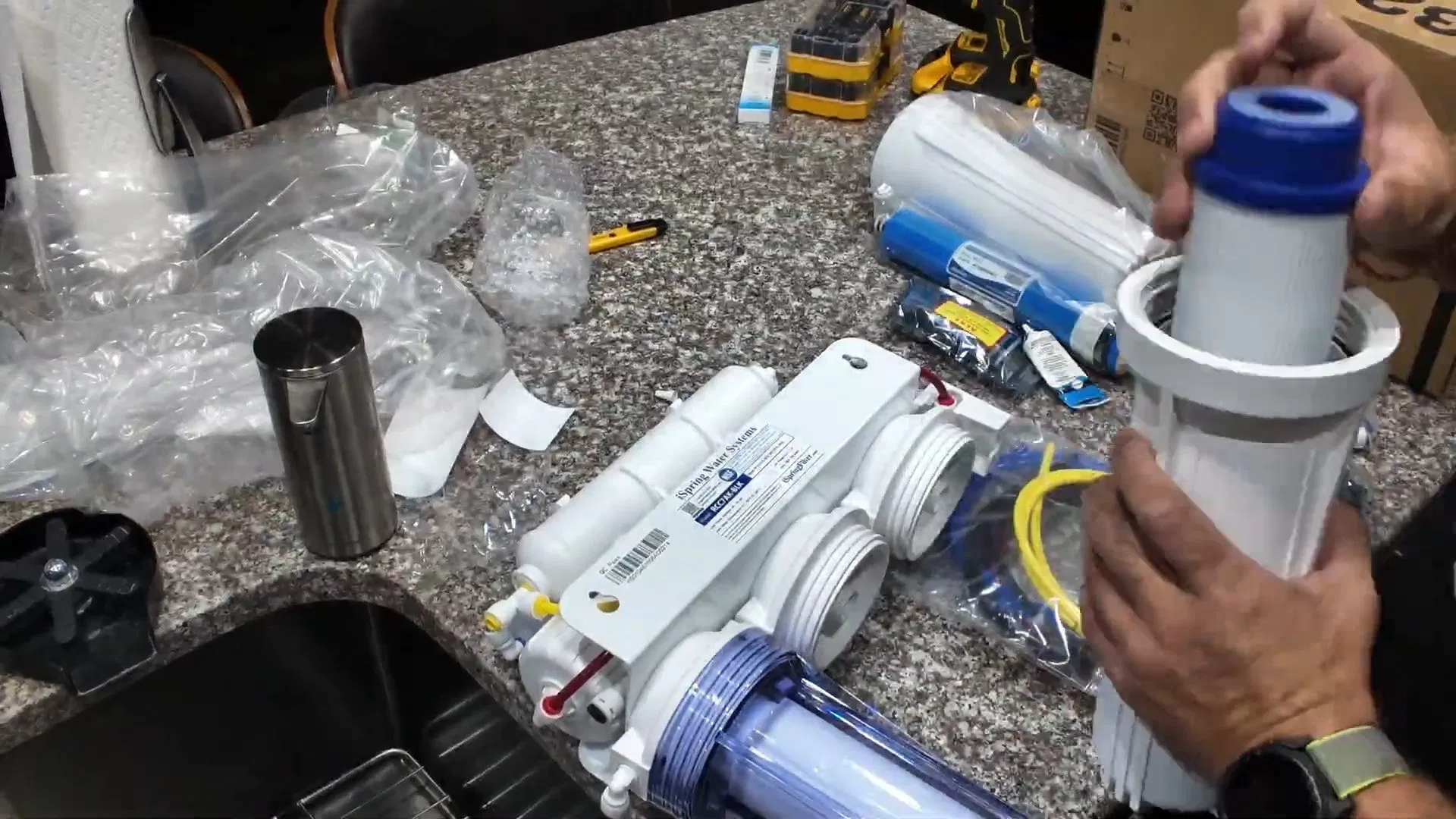
Hands assembling under sink filter housing helps narrow the repair to the part of the system that actually needs attention.
The more specific reason some Salem households look into filtration is the city's 2018 experience with cyanotoxins: algae blooms in the North Santiam watershed produced elevated levels of microcystin and cylindrospermopsin that led to a multi-week do-not-drink advisory for vulnerable groups. The city has since built a significant ozone treatment upgrade, completed in 2022, specifically to address this risk, and continues seasonal monitoring every year from April through October. That history is a legitimate reason some households want an extra layer of confidence during algae season specifically, even though the current treatment system is designed to prevent a repeat.
If cyanotoxin peace of mind is genuinely the goal, it's worth being precise about which filter actually addresses that concern. A standard carbon filter is not certified to remove cyanotoxins. NSF International has certified specific filter models that are rated to reduce microcystin below the national health advisory threshold, and choosing one of those specifically, rather than any generic filter, is the difference that matters if this is the actual concern driving the purchase.
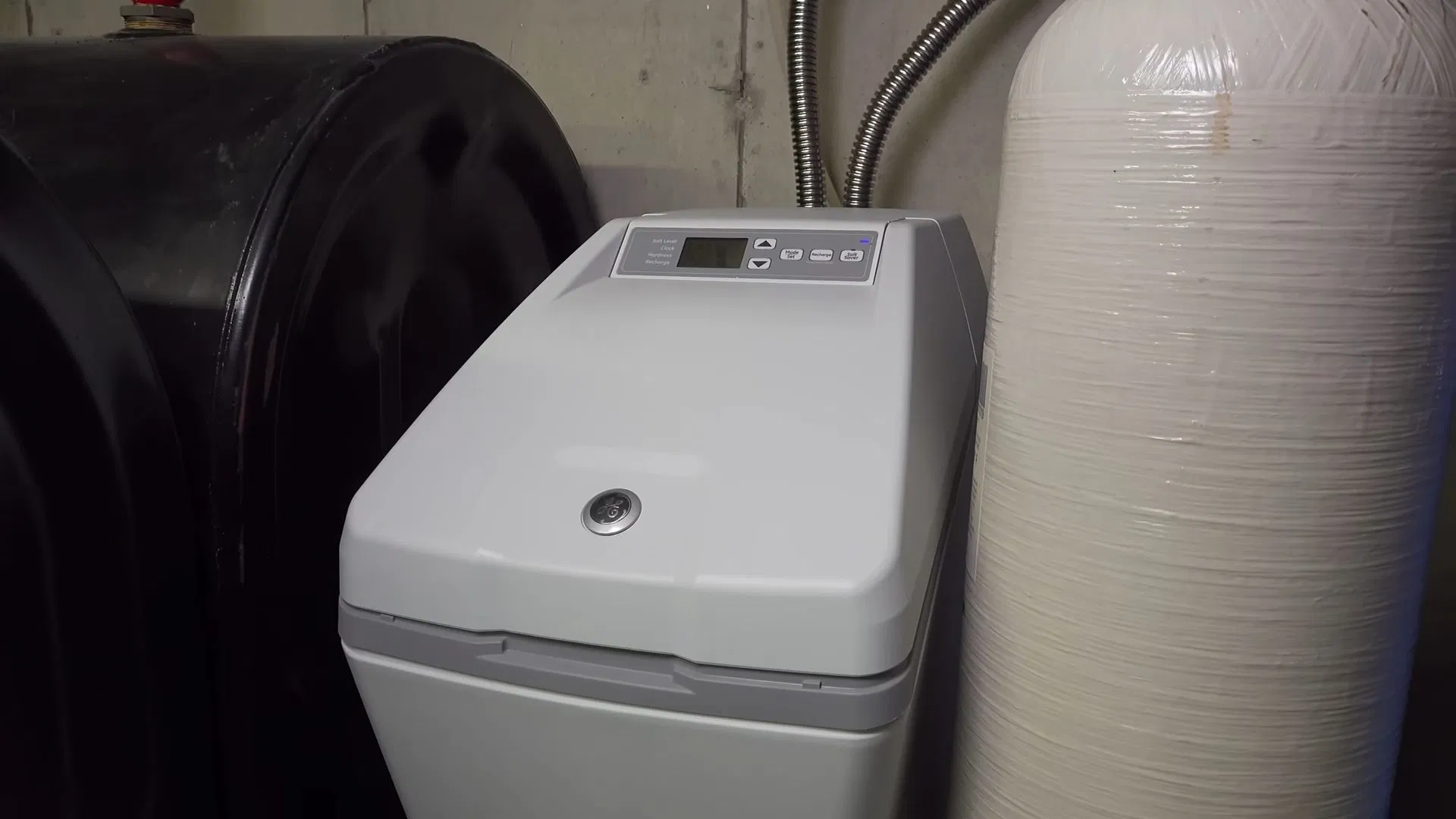
Softening is a separate question entirely, and it's worth being clear that most Salem households on standard city water don't need a softener, since the North Santiam surface water is naturally soft. This site's water softener guide covers the specific exceptions, primarily properties on the city's summer Aquifer Storage and Recovery blend or on a private well, in more detail.
Open water softener brine tank gives the plumber a clearer look before the next repair step begins.
The bottom line for most Salem households: if the water tastes fine and there's no specific concern about algae season, filtration is optional, not necessary. If chlorine taste is a genuine annoyance, a basic carbon filter solves it inexpensively. If algae-season peace of mind matters specifically, an NSF-certified cyanotoxin-rated filter is the right, precise purchase rather than a generic upgrade.
Maintenance is the part of filtration that gets overlooked most often, regardless of which type is chosen. A carbon filter that's past its rated capacity, whether that's measured in gallons filtered or months in service, stops removing much of anything and can, in some cases, become a place where bacteria accumulates rather than a place that improves water quality. Whatever system a household chooses, following the manufacturer's replacement schedule matters as much as the initial choice of filter type.
A whole-house filter, installed at the point where water enters the home, treats every fixture at once, while a pitcher or a single under-sink unit only treats water at that one location. For a household mainly concerned with drinking and cooking water, a smaller point-of-use filter is usually the more proportionate, less expensive choice over a whole-house system.
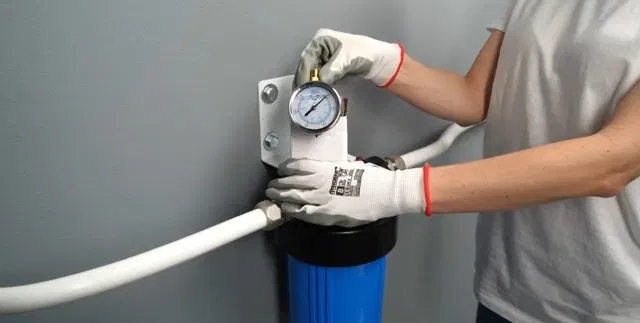
For a household that's already decided filtration is worthwhile, asking specifically about the filter's rated flow rate matters for a whole-house system, since an undersized filter can noticeably reduce water pressure throughout the home, an easily avoidable tradeoff with correct sizing at installation from the start.
Mounting blue whole house filter housing can reveal the condition of the connection before parts are replaced.
Renting versus owning matters here too: a tenant generally can't install a whole-house system without a landlord's permission, but a countertop pitcher or a simple faucet-mounted filter needs no permission at all and solves the taste question just as effectively for someone who won't be staying long enough to justify a bigger investment.
Concern
Need a filter?
Right type if yes
General safety
No, water meets all standards
Not applicable
Chlorine taste or smell
Optional, matter of preference
Standard activated carbon
Algae-season peace of mind
Optional, some households want it
NSF-certified, cyanotoxin-rated
Mineral scale on fixtures
This is a softener question, not filtration
See the water softener guide
For taste alone, any standard activated carbon filter works well
For cyanotoxin peace of mind specifically, check for NSF certification for that purpose
Check the city's own water quality reports during April through October
Don't assume filtration is required for safety; it isn't
Yes. The city's water consistently meets all federal and Oregon Health Authority standards, and the 2022 ozone treatment upgrade specifically strengthened the system's ability to handle the kind of algae event that occurred in 2018.
Connecting water lines to filter housing keeps diagnosis focused so unnecessary opening or replacement can be avoided.
What exactly happened with Salem's water in 2018?
Algae blooms in the North Santiam watershed produced elevated cyanotoxin levels, leading to a several-week do-not-drink advisory for children, pregnant women, and people with compromised immune systems, while the city brought in alternate water sources.
Will a pitcher filter protect against cyanotoxins?
A generic pitcher filter, without specific NSF certification for cyanotoxin reduction, is not reliably effective for that purpose, even though it works fine for chlorine taste. Check for the specific certification if that's the goal.
How can I check current water quality during algae season?
The City of Salem publishes water quality testing results during the April through October monitoring period, and the Water Quality Hotline is available for direct questions about current conditions.
Reverse osmosis filter components on floor makes it easier to confirm the problem before the line is put back into service.
Short answer: test first, don't assume. Most homes on standard Salem city water are naturally soft and don't need one. A few specific situations, summer aquifer blend areas and private wells, are the real exceptions.
Running, Clogged, or Rocking: What Your Toilet Is Telling You
Short answer: running is almost always a cheap flapper or fill valve fix. Rocking at the base is a wax ring seal issue that needs prompt attention. A clog that returns repeatedly, despite plunging, may not be a toilet problem at all.