Sewer Repair or Full Replacement? How Salem Homeowners Decide
Short answer
Short answer: if a camera shows an intact pipe with root intrusion or minor cracks, repair (usually trenchless lining) is reasonable. If it shows a collapsed or badly bellied section, that section needs to be replaced; there's no shortcut around it.
By the Salem Oregon Plumbing Guys team. Reviewed against the Oregon Plumbing Specialty Code (OPSC), based on the Uniform Plumbing Code (UPC), and the permit requirements of the Oregon Building Codes Division.
A backed-up drain or a sewer smell in the yard triggers the same question every time: is this a clear-the-line kind of problem, or a dig-up-the-yard kind of problem? The honest answer depends entirely on what a camera inspection shows inside the pipe, not on how bad the symptoms feel from the house.
Camera inspection is genuinely the only reliable way to answer this, and skipping it in favor of guessing based on symptoms is the most common way homeowners end up paying for the wrong fix twice. A camera run through a cleared line shows exactly what condition the pipe is in: root intrusion at specific joints, minor cracking, a section that's settled out of grade and holds standing water, or an outright collapse.
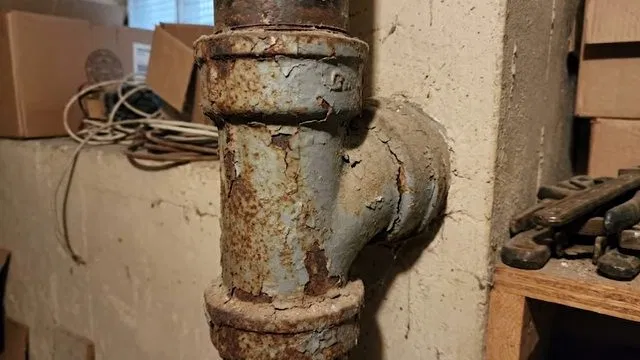
Heavily corroded cast iron drain section helps narrow the repair to the part of the system that actually needs attention.
Root intrusion at isolated joints, with the rest of the pipe structurally sound, is the classic repair scenario. This is extremely common in Salem's older neighborhoods, where clay and cast iron laterals installed between the 1870s and 1930s have had a century for joints to shift slightly and let roots from mature street trees find their way in. Trenchless pipe lining, which pulls a resin-coated liner through the existing pipe and cures it in place, seals those entry points and effectively creates a new pipe inside the old one, without a trench dug the length of the yard.
Minor, isolated cracking without root intrusion is also generally a repair scenario, using the same trenchless lining approach or, for a very short and accessible section, a direct spot repair. The key word is isolated: a crack in one small area of an otherwise sound pipe is a very different situation from cracking distributed along much of the run.
A collapsed section, or a section that has settled enough to create a permanent low spot that holds standing water (commonly called a belly), is where trenchless lining stops being an option. A liner needs a mostly intact host pipe to follow and take the shape of; it can't span a section that's actually lost its structural shape. That section has to be excavated and replaced conventionally, and there's no way around that once a camera confirms it.
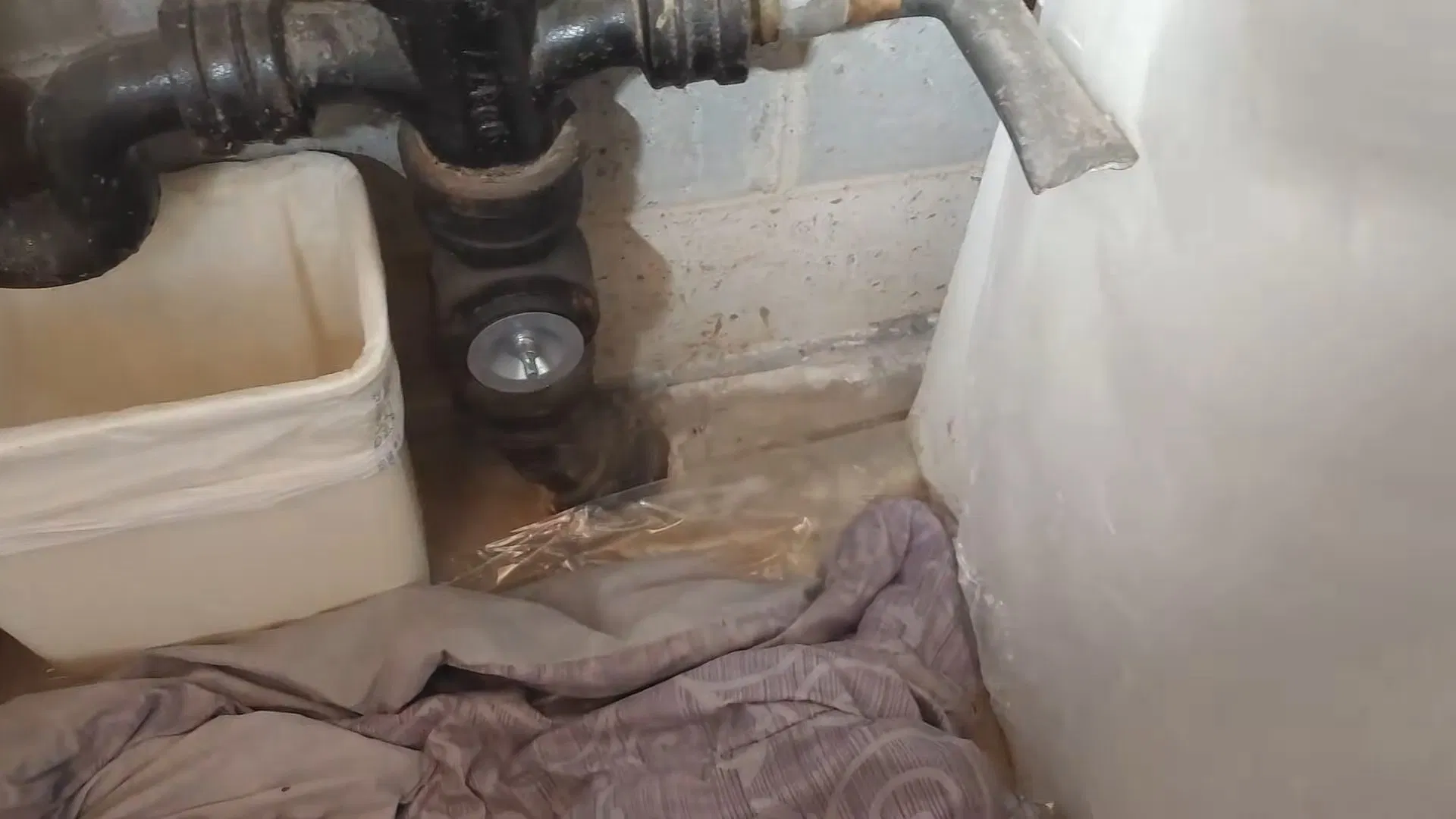
Damaged cast iron drain at bathroom floor gives the plumber a clearer look before the next repair step begins.
Widespread age-related failure, root intrusion at many joints combined with general pipe deterioration along most of the run, tips the decision toward full lateral replacement rather than lining section by section. At a certain point, the cost and disruption of repeatedly repairing individual sections of a pipe that's simply reached the end of its material life exceeds the cost of one comprehensive replacement, and a straightforward comparison of those two paths, based on what the camera actually shows, is worth asking for directly rather than assuming.
Cost naturally scales with scope, and it's worth having a straightforward conversation about what a specific camera inspection actually found, section length, depth, and access difficulty, all matter, rather than assuming a general estimate applies evenly to every sewer repair. What can be said honestly regardless of specifics: getting a clear camera-based diagnosis before agreeing to any repair approach is what makes it possible to have that conversation accurately in the first place.
Timeline is the other practical question worth asking upfront. Trenchless lining, once scoped and scheduled, is often completed within a single day for a typical residential lateral, since it doesn't involve the excavation and backfill time that full replacement requires. A section requiring excavation takes longer, both for the digging and repair itself and for the yard to recover afterward, and knowing which timeline actually applies helps with planning around the disruption realistically rather than being surprised by it partway through.
It's worth asking directly whether a quote covers restoration of the yard itself, not just the pipe work, for any project involving excavation. Landscaping, sod, or hardscaping disturbed during a dig is a real part of the total project, and a clear answer on who handles that restoration and when avoids a frustrating gap between finishing the plumbing and the yard actually looking whole again.
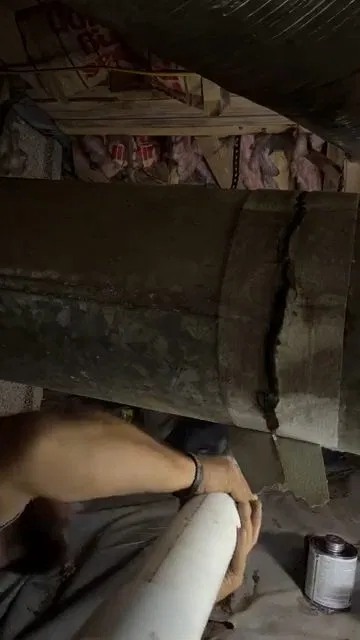
Cutting old cast iron drain in crawlspace can reveal the condition of the connection before parts are replaced.
A second opinion on a recommended full replacement, specifically, is worth seeking if the camera footage showed mostly isolated root intrusion rather than clear structural collapse, since that's the situation where the repair-versus-replace judgment call has the most room for genuine, honest disagreement between qualified professionals.
Camera shows
Typical path
Root intrusion, isolated joints, sound pipe
Trenchless lining
Minor, isolated cracking
Trenchless lining or spot repair
Collapsed or bellied section
Excavate and replace that section
Widespread deterioration, many joints affected
Full lateral replacement
Is the pipe structurally intact, or has any section actually collapsed?
How many separate points show root intrusion or cracking?
Is trenchless lining actually an option for this specific pipe?
What does the comparison look like between lining and full replacement?
How long does trenchless lining last compared to a full replacement?
A properly installed liner is generally expected to perform for decades, comparable to new pipe, since it effectively creates a new pipe surface inside the old one. It's a durable repair, not a temporary patch.
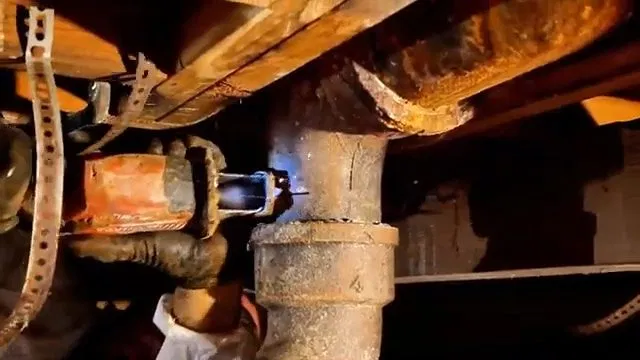
Severely corroded cast iron drain joint keeps diagnosis focused so unnecessary opening or replacement can be avoided.
Will my yard and landscaping be destroyed either way?
Trenchless lining typically needs only a small access point or two, leaving most landscaping undisturbed. Full excavation is more disruptive by nature, since the trench has to follow the pipe's actual path.
Can I request a second opinion on a camera inspection?
Yes, and it's a reasonable thing to ask for on a large repair decision. The footage itself can typically be reviewed or shared, since the diagnosis is based on what's visible on camera, not a subjective call.
Does the city inspect sewer lateral work?
Yes, sewer lateral repair and replacement is regulated work requiring a permit, and an Oregon 811 utility locate call is required before any excavation, trenchless access pits included.
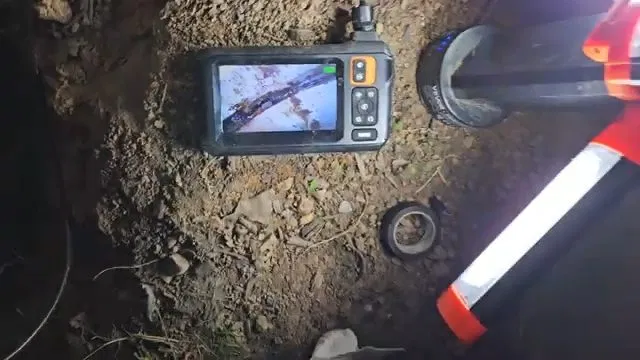
Diy sewer camera inspection at excavation makes it easier to confirm the problem before the line is put back into service.
Hydro Jetting vs. Snaking: Which Does Your Line Need?
Short answer: snaking clears a path through a clog. Jetting cleans the whole pipe wall. A single isolated clog usually just needs snaking; recurring clogs, root intrusion, or grease buildup usually need jetting.
Short answer: one leak, repair it. Two or more separate leaks in different spots within a few years, seriously consider a full repipe rather than continuing to patch individual sections.