Five Septic Warning Signs Worth Acting On, Not Waiting Out
Short answer
Short answer: slow drains and any sewage odor deserve a prompt call. A soggy drain field patch is worth monitoring closely and acting on if it doesn't improve within days.
By the Salem Oregon Plumbing Guys team. Reviewed against the Oregon Plumbing Specialty Code (OPSC), based on the Uniform Plumbing Code (UPC), and the permit requirements of the Oregon Building Codes Division.
A septic system is easy to forget about for years at a time, precisely because it works quietly underground with no daily interaction required. That's exactly why it's worth knowing the actual warning signs of trouble, since by the time a system fails outright, the fix is considerably more expensive and disruptive than addressing an early warning sign would have been.
Slow drains throughout the house, not just one fixture, are one of the clearer early signs that a septic tank is filling toward capacity or that the drain field isn't accepting effluent as well as it should. A single slow drain is more likely a local clog; multiple slow drains across different fixtures, with no other explanation, points toward the septic system itself.
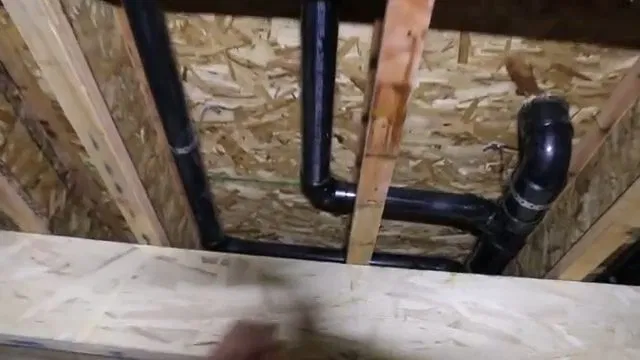
Black pvc basement drain rough in between joists helps narrow the repair to the part of the system that actually needs attention.
A soggy, unusually green, or foul-smelling patch of ground directly over the drain field is one of the more visible and reliable signs of a system under strain. A healthy drain field doesn't create standing surface moisture or a patch of grass that's noticeably greener than the surrounding lawn, since a properly functioning system filters effluent below the surface rather than letting it pool or seep upward.
A sewage odor near the tank or drain field, rather than inside the house, is worth investigating rather than dismissing as a passing smell, particularly if it persists across multiple days or recurs regularly rather than appearing once after unusually heavy rain.
Not being able to recall when the tank was last pumped is, functionally, its own warning sign, even without any of the other symptoms present. Pumping frequency depends on tank size and household size rather than a single universal number, but a household with no record or memory of the last pumping is, by most reasonable standards, overdue for at least an inspection to establish where things currently stand.
Sewage backing up into the house, through a drain or toilet, is the most severe sign on this list and the one that warrants an immediate call rather than any wait-and-see approach. This typically indicates either a fully backed-up tank or a serious drain field failure, and continuing to use household plumbing while this is happening risks a larger, messier problem developing.
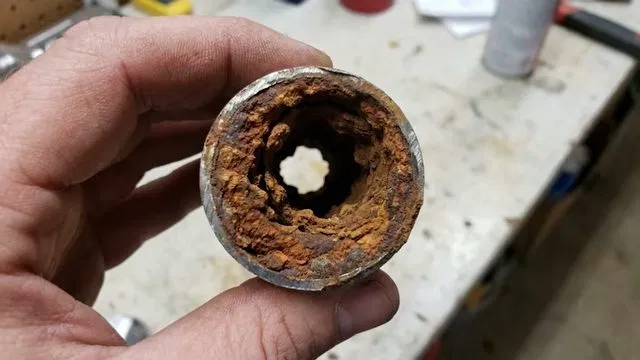
Plunging clogged toilet bowl gives the plumber a clearer look before the next repair step begins.
Heavy garbage disposal use is worth mentioning as a contributing factor behind several of these signs rather than a standalone symptom itself. A disposal adds solid organic material directly into a tank with fixed, designed capacity for solids between pumpings, and a household using one heavily on a septic system is, in effect, accelerating its own timeline toward these warning signs showing up sooner than they otherwise would.
Property history is worth digging into for anyone who's recently purchased a rural Salem-area home rather than assuming a septic system inherited from a previous owner is in good working order. Records of prior pumping, any past repairs, and the system's original installation date, if available through county permit records, give a much clearer starting picture than simply waiting to see whether any of the warning signs above eventually show up on their own.
Landscaping choices around a drain field are worth planning deliberately rather than by default: grass is the safest cover, while trees and deep-rooted shrubs planted too close can eventually cause the same kind of root intrusion problems described on this site's sewer line guide, just in a drain field instead of a sewer lateral.
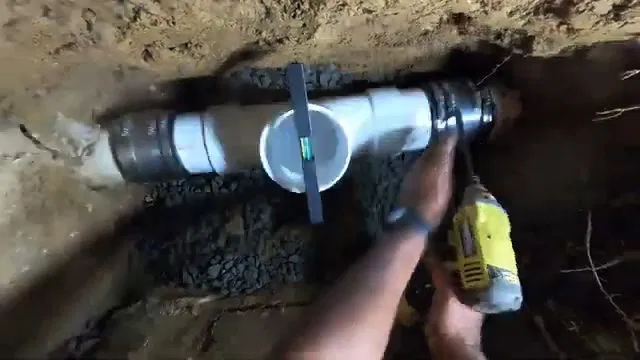
Drilling pvc sewer wye in trench can reveal the condition of the connection before parts are replaced.
A septic system that's due for its next scheduled pumping soon, even without any active warning sign present, is worth booking proactively rather than waiting for a sign to appear, since routine maintenance on a normal schedule is considerably cheaper than emergency service once a tank has actually overfilled.
Keeping the tank's access lid clearly marked and easy to reach, rather than buried under years of accumulated mulch or landscaping, saves real time and cost on every future service visit, pumping included, and it's a small, one-time task worth doing once rather than repeatedly searching for it.
Sign
Urgency
Sewage backing up into the house
Call immediately
Sewage odor near tank or drain field
Call promptly
Slow drains throughout the house
Schedule a visit soon
Soggy or green patch over drain field
Monitor closely, act if it persists
Can't recall last pumping
Schedule an inspection
Find out when the tank was last pumped, or schedule an inspection to find out
Walk the drain field area periodically to check for soggy or discolored patches
Never park vehicles or build structures over the tank or drain field
Use the garbage disposal conservatively if the home is on septic
How often should a septic tank actually be pumped?
It depends on tank size and household size rather than a fixed interval, but a common range cited for a typical single-family home is every 3 to 5 years, and a professional inspection can confirm the right schedule for a specific property.
Can a septic system be repaired, or does it always mean full replacement?
Many issues are genuinely repairable, pumping, minor drain field maintenance, fixing a specific component, without needing a full system replacement. Full drain field replacement is reserved for systems that have failed more comprehensively.
Is it normal for the ground over a drain field to be a little different from the rest of the yard?
Some subtle difference in grass color or growth over a drain field is common and not necessarily a problem. What's concerning is standing water, a strong odor, or a patch that's dramatically more lush or wet than the surrounding area.
Does rural Salem area septic regulation differ from city sewer rules?
Yes, septic systems fall under Oregon Department of Environmental Quality onsite wastewater regulations rather than the municipal sewer code that governs in-city plumbing, and repairs or drain field work require permits under that separate regulatory framework.
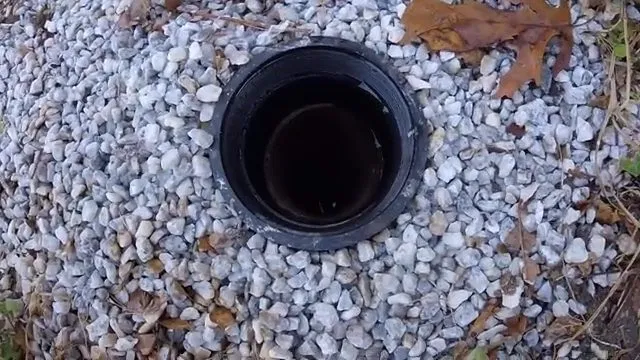
Open sewer cleanout ready for camera makes it easier to confirm the problem before the line is put back into service.
Losing Water Pressure on a Well? Here's How to Narrow It Down
Short answer: a pump cycling on and off rapidly points at the pressure tank. Gradually declining pressure over months points more at the pump itself nearing the end of its service life.
Garbage Disposal Dos and Don'ts for Salem Kitchens
Short answer: cold water, small amounts, no fibrous or fatty waste, ever. Households on septic should also cut overall disposal use more conservatively than city sewer allows.